Design is the backbone of every apparel company, but the sheer volume and pace of modern fashion make the design process more complex than ever.
Working on multiple seasonal drops, replenishment programs and retail-driven assortments means that apparel companies can manage hundreds or thousands of new designs each year. Before a single style reaches production, it passes through design, merchandising, planning, product development, sourcing, and finance. Each team contributes sketches, BOMs, measurements, costing, vendor quotes and sample reviews. The amount of coordination and cross-functional collaboration can be monumental, which is why many have found implementing a Product Lifecycle Management (PLM) system to be a top priority for ERP optimization projects.
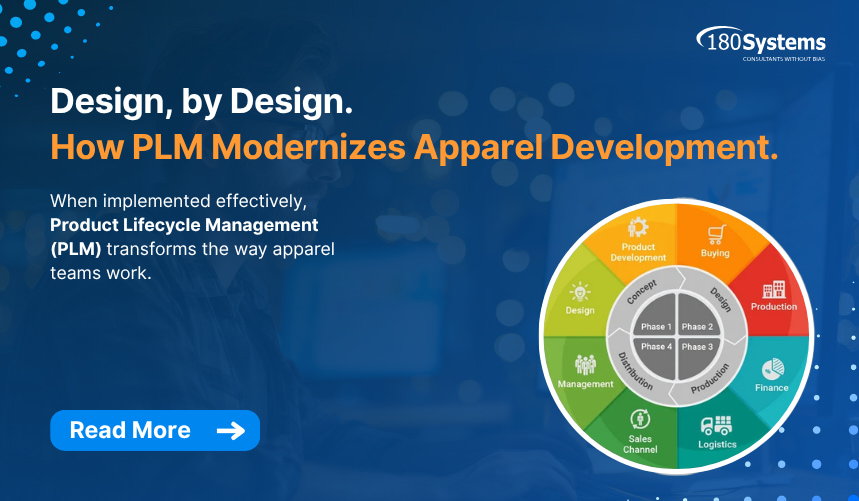
When implemented effectively, PLM transforms the way apparel teams work. Digital tech-packs, material and trim libraries, line planning tools, vendor portals and workflow automation modernize the entire development cycle. Housing all product related information in a unified system streamlines design, reduces duplicate work, and accelerates the path from concept to production. Teams can build off previous designs, leverage template libraries and maintain clear visibility into every stage of development. Vendor access eliminates email chaos, while centralized communication improves cross-functional alignment and leadership oversight.
While PLM has been a staple in fashion for decades, its usefulness has grown alongside technological advancements. Modern PLMs are incorporating AI to add increasing value to their customers by automating some of the most time-consuming parts of product development. AI-driven features such as sketch to teck-pack generation, predictive costing, material recommendations, trend analysis and intelligent workflow design help teams move faster and make better decisions.
Behind every garment is a network of creative and operational minds working to bring an idea to life. PLM strengthens that collaboration by giving teams the structure they need to manage complexity with confidence. With AI now amplifying these capabilities, the future of apparel development looks like it will be smarter, faster and more connected than ever.