ERP Optimization
An ERP optimization can help you get more bang for your buck and avoid a costly selection and implementation of a new ERP system. Don’t replace your ERP system unless you have no choice or there is a compelling business case based on numbers that are backed up with supporting evidence prepared by independent employees or outside consultants.
The Problem
Your ERP System is Broken – What are you going to do?

There are tell-tale signs your ERP system is broken:
- Constant complaints from employees
- Things take way too long to get done
- Lack of answers to probing questions
- Downtime
- Old technology
- Lack of support from the vendor
- Customer complaints
- Supplier complaints
But you may not be ready to replace your ERP system for a number of reasons including
- Lack of a compelling business case
- You don’t have the time to devote to replacing it
- You have bigger fish to fry
- Uncertainty about your future

Some problems can be fixed by the vendor with changes to their system.
Some problems can be fixed with automation tools such as automating workflows or improving reporting.
Some problems can be fixed with business process changes and training.
A Solution
ERP Optimization Methodology
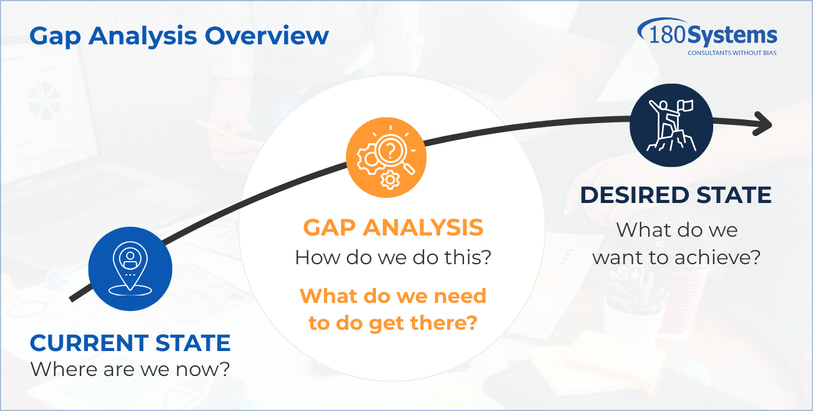
Step 1 – Gap Analysis
We meet with the executive team (and potentially middle management) to understand their perspective of the biggest problems/gaps and then discuss what can be done to fix them.
Step 2 – Business Process Review (BPR)
The Business Process Review (BPR) is our deep dive into gap analysis. The employees in the trenches doing the day-to-day work are interviewed to describe and show their processes and problems. We document the business process steps, problems, the impact of the problems, ways to fix the problems and a link to screenshots taken.
Step 3 – Recommendations
Change business process
Some inefficient business processes exist because an organization differentiates itself because of it, and these processes should not be compromised (although they could be automated). However inefficient business processes that are for relatively standard activities (that don’t differentiate a company) could be changed. 180 Systems will recommend changes to business processes as part of a broader ERP optimization strategy.
Vendor Customization and Integration
With some tweaking (and integration) by the vendor, some system problems can be solved. 180 Systems will prepare specifications for the vendor, who would prepare a quote and potentially implement the necessary changes. Effective ERP optimization often involves identifying gaps that can be filled with strategic vendor customization.
Automation Tools
Some problems can be solved utilizing system configuration tools provided by the vendor such as adding user-defined fields. Some problems can be solved with best of breed business intelligence tools such as Microsoft Power BI or Tableau. Some problems can be solved by Robotic Process Automation (RPA) and AI which automates routine tasks within software applications normally performed by a company’s employees. Examples include Microsoft Power Automate and Automation Anywhere. As part of 180 Systems ERP optimization approach, we will either do the work required and/or provide training to internal resources.
Step 4 - Project management and change management
Optimizing your ERP system is a project with risk of failure because of a lack of internal project management and resistance by employees. Our team will do our best to make sure your ERP optimization project is completed on time and on budget to the satisfaction of your stakeholders. We will also recommend change management procedures to mitigate the risk of employees who don’t want the changes.

Trusted by 150+ Clients

Frequently Asked Questions
What is ERP optimization?
ERP optimization improves how a company uses the ERP system it already owns. 180 Systems does a gap analysis, reviews business processes, recommends changes to processes, vendor customizations and automation, and manages the project and the change. It can help a company avoid the cost of a new ERP selection and implementation.
How do I know if my ERP needs optimization?
Common signs are ongoing employee complaints, tasks that take too long, an inability to answer probing questions from the data, downtime, outdated technology, weak vendor support, and complaints from customers or suppliers.
Should a company optimize or replace its ERP?
Replacement makes sense when there is no choice or when a compelling business case based on numbers supports it. Many companies hold off because they have no business case, lack time, face competing priorities or are unsure about the future. An ERP diagnostic shows how healthy the current system is, and ERP software selection applies if the answer is replacement.
What does an ERP optimization project include?
It has four steps: gap analysis, business process review, recommendations, and project and change management. The deliverables are a gap analysis summary, process documentation for each reviewed process, and recommendations on process changes, vendor customization, automation and training.
What happens in a business process review?
180 Systems interviews frontline employees about their daily workflows and pain points. For each process it documents the steps, the problems, their impact, proposed fixes and linked screenshots.
Which tools can automate ERP processes?
Options include vendor configuration such as user defined fields, BI tools such as Power BI or Tableau, and RPA or AI tools such as Power Automate or Automation Anywhere. The right tool depends on the process and the ERP vendor.
Who makes the changes to the ERP?
180 Systems writes the specifications for the ERP vendor to customize or integrate the system, revises standard processes and trains internal staff. It also manages the project and the change, which includes reducing employee resistance.