When employees hear about a new ERP system, the first concern is often learning new software. While training is an important part of the journey, ERP implementations are really about improving how work gets done across the organization. The goal is not simply to replace existing technology, but to give employees better tools, better information, and more time to focus on higher-value work.
Many organizations rely on spreadsheets, manual reconciliations, duplicate data entry, and disconnected systems to operate their business. Over time, these workarounds become part of daily operations and consume significant time and effort. As routine and manual activities are reduced, employees can spend more time analyzing information, improving processes, collaborating across departments, and making informed decisions. Instead of focusing on administrative tasks, teams can focus on activities that help move the business forward.
The benefits are felt throughout the organization. Employees gain access to modern software tools, increased automation, including AI-enabled capabilities, and better access to the data needed to perform their jobs effectively. Finance teams benefit from stronger controls, faster reporting, and a more efficient close process. Operations teams gain improved visibility into inventory, procurement, and business performance. Leaders have access to more consistent information to support decision-making, while IT teams spend less time maintaining fragmented systems and manual integrations.
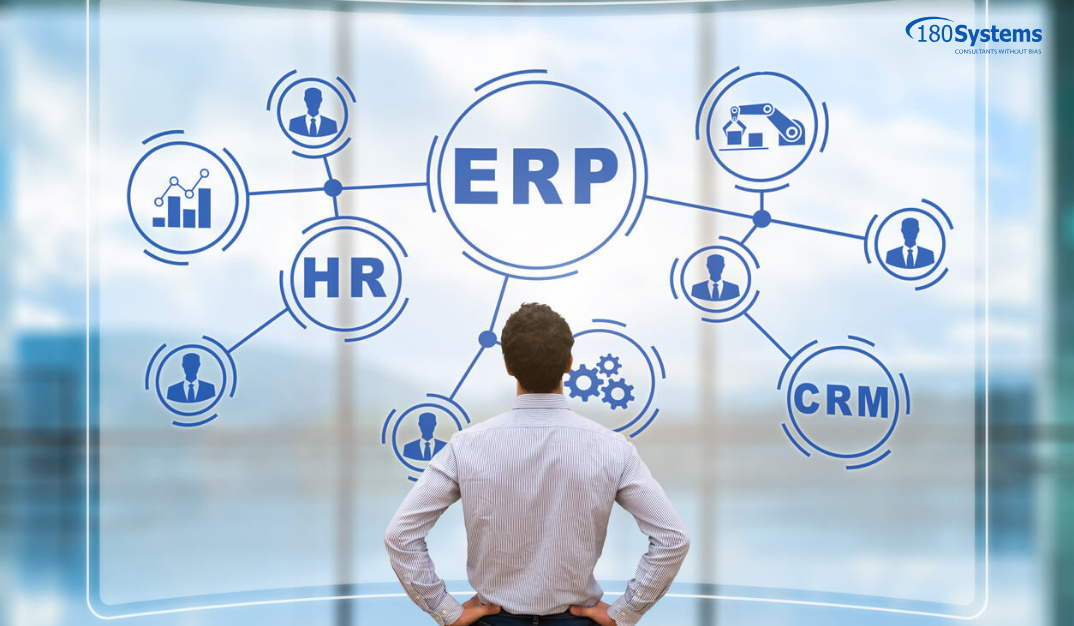
ERP implementations require change, but they are ultimately an investment in people. The objective is to reduce manual effort, eliminate repetitive work, and provide employees with the tools and information they need to be more effective. When implemented successfully, an ERP system allows organizations to spend less time on re-keying, reconciliations, spreadsheets, and chasing data, and more time on strategic analysis, process improvement, and making better business decisions. Change management and communications plans are critical to getting and keeping employee buy-in! Your employees can be excited about your ERP implementation with the right leadership support and communication strategy.